Save up to 30% today!
From CommisChef to Chef de Partie: Intensive Training & 4 Essential UK Kitchen Career Lessons
Experience the real journey: Sessions' Highbury & Islington opening, 8-day chef training, rapid promotion, ownership changes, and hard-won insights for succeeding in UK fast food kitchens. Essential reading for aspiring chefs at commischef.co.uk
Kevin Velez
12/6/20254 min read
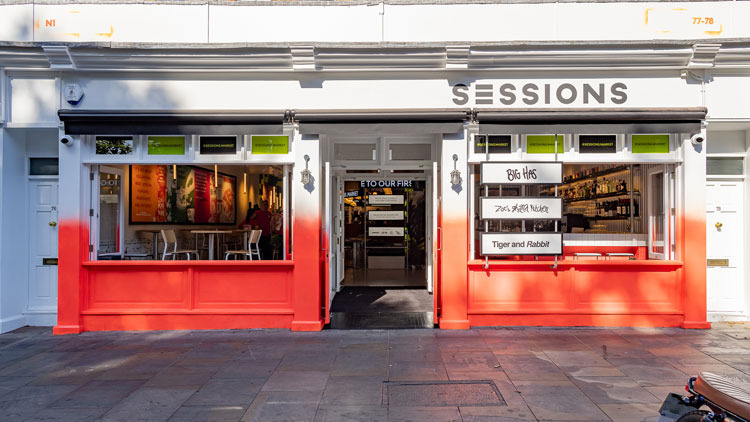
I started working as a commischef in July 2022, coinciding with the launch of Sessions’ first public restaurant in Highbury and Islington, London. I joined Sessions after my time at Farmer J and having previously sold my own restaurant in Spain. I was eager to embrace a new professional challenge in London’s competitive culinary scene. Sessions offered me the opportunity to connect with more experienced chefs and truly understand the distinctions between team members and commis chefs in fast-paced kitchen environments. Within these fast food operations, which specialise in "fast food" the focus is on efficient menu management and data handling, where responsibilities are often delegated not to commis chefs, but to team members. This important differentiation will be explored further in my future blogs.
From the outset, I was privileged to be part of a restaurant opening team. I vividly recall the group interview with fourteen other candidates held in a nearby café, with the restaurant site still under construction. The recruitment process, expertly overseen by Phong Tang, was both professional and energising. I commenced on 20th July with an intensive eight-day chef training programme, surrounded by experienced British chefs for the first time. The kitchen leadership included Executive Chef Mark Rush and Dani Staples, whose professionalism and mentorship were highly motivating. Throughout the training, we studied the first four brands we would support, thoroughly memorised menus, and I focused on mastering my designated kitchen section through precise instruction following.
During my early time at Sessions, I encountered a diverse group of kitchen professionals, some with brief tenures and others with greater longevity. Among the talented team were Sous Chef Carlos Angulo from Bolivia, Head Chef Roberto from Italy, British Head Chef Sam, enthusiastic trainer Lucy, Jim from Public Relations, and Caroline Corthouts, Chief of Staff who later advanced to Head of Operations. Sessions demonstrated impressive operational organisation and a commendable commitment to employee wellbeing. Transitioning from Spain’s restaurant market and witnessing the scale of investment here, I initially questioned the sustainability of such ambition. However, the dream of owning or working in a prominent Highbury and Islington restaurant is irresistible. As a commis chef, my role was straightforward: follow directives diligently.
As the kitchen became fully operational, I gained foundational skills critical to a chef’s career including station rotation, salad preparation across different brands, and familiarisation with British preferences for burgers and chips—a fascinating cultural insight. I also learnt essential hygiene and safety standards such as chopping board colour coding, dry storage organisation, walk-in fridge and freezer management, and precise temperature controls. After two and a half months of rotating duties amidst staff turnover, I was promoted to chef de partie, overseeing multiple kitchen sections, which marked a significant professional advancement.
Despite my seven-month rewarding stint at Sessions, in January I formally resigned due to major organisational upheavals including financial struggles, change of ownership, loss of key experienced chefs, and a narrowing focus on burgers and chips only. I recall a new Portuguese kitchen manager assuming control, prompting a frank discussion where I shared, "this is no longer cooking, working with chefs is very different from working with people who do not understand the profession" His response was, "making burgers is an art, you will learn a lot", to which I argued, "in other words, fast food, and you’re responsible for us being exploited for less money?"
The final phase was taxing and adversely impacted my health due to the intense stress and rapid changes.
This experience taught me crucial lessons for anyone pursuing a kitchen career in the UK:
Being a commischef is not merely about following orders from anyone. As commischefs, we must recognise who is truly qualified to teach and lead. Many individuals hold titles such as chef, head chef, or sous chef, yet often lack the knowledge, experience, and leadership that those roles require. It is therefore essential to identify who is giving the orders and leading the kitchen, so as not to mistake kitchen managers for professional chefs.
As kitchen pressure and responsibilities increase, always value your time and work. Actively negotiate your salary and define your role as you progress in your chef career. This is essential not only to ensure fair compensation for your skills and experience but also to maintain motivation and professional growth. Clear communication about expectations prevents exploitation and fosters mutual respect between management and staff. Moreover, recognising your professional worth contributes to a healthier kitchen culture, where effort, discipline, and expertise are acknowledged and rewarded accordingly. In my case at Sessions, under the Portuguese kitchen manager, my working hours were reduced as he began bringing in his own staff, mostly other Portuguese colleagues. That experience helped me understand how some kitchens in London operate at a more practical and personnel-driven level.
Kitchens are ever-changing workplaces and not all colleagues will be supportive. Some “kitchen managers” may foster toxic dynamics. You should set clear personal goals and develop strategies to handle difficult personalities. Passionate leadership inspires success, while disengaged managers drain energy and should be avoided in a professional context.
Balancing professional duties and personal life is vital. The demanding hours and weekend shifts intrinsic to chef roles can be isolating. Maintain open communication with head chefs and owners to protect mental health and optimise productivity.
Today, Sessions continues to adapt and grow, and I am delighted to witness their ongoing success including the notable sale of Shelter Hall in Brighton, underscoring their continued ambition within the UK hospitality sector. My memories from Sessions remain some of the most formative and treasured in my kitchen journey.
After Sessions, I stepped away from professional kitchens to work in maintenance roles at five star hotels from January 2023 up until September 2025. Then motivated by renewed passion, I returned to cooking and commischef roles. I am eager to share my fresh experiences and insights in future blog posts here at commischef.co.uk. I hope my personal journey motivates aspiring chefs as we explore the challenges and rewards of a career in the UK’s vibrant culinary world together.
Thank you for taking the time to read. In my next post, I shall share my most recent contributions to the culinary sector and the contemporary challenges I am navigating. Please stay tuned and continue following my publications for further insights.