Save up to 30% today!
From Commis Chef to Restaurateur: Hard Lessons and Real Stories Behind Launching a Restaurant in Spain
I share my honest journey from commis chef to restaurant owner in Spain, explaining the real challenges of starting and running a restaurant. You will learn about key mistakes in management, marketing, partnerships, and finance, and why hands-on kitchen experience and a dedicated team are essential. This post offers practical insights for anyone interested in restaurant business and culinary entrepreneurship.
Kevin Velez
11/21/20252 min read

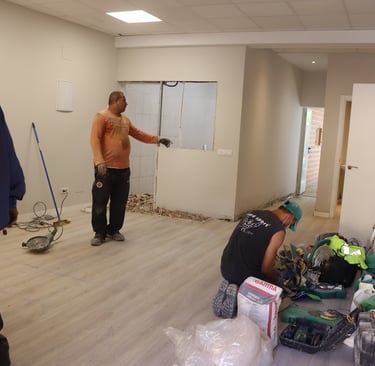
Since I left Denmark in July 2021, I have embarked on a new chapter in Spain motivated by a clear vision to create something unique within the culinary world. Drawing on the experience I gained, I aimed to build a brand that would not only create employment but establish a lasting reputation. Using my expertise in business analysis and real estate, my main profession outside the kitchen, I studied the Spanish market thoroughly and discovered a small business for sale in Madrid. I acquired a 70 per cent stake, reimagined the concept, changed the location, and commenced a new venture.
As a newcomer to the hospitality industry, I soon realised that my limited culinary experience was a significant challenge. Managing a successful restaurant requires years of practise and strategic clarity. I underestimated this complexity and faced numerous obstacles while progressing.
From this journey, I have gathered key lessons, ordered by importance according to industry experts. First, project management and bureaucracy proved most critical. Opening a restaurant requires meticulous planning and outstanding knowledge to navigate Spain’s complex legal system, including licences, permits and contracts. Lack of experience can cause delays and costly errors, threatening a business’s viability.
Second, adequate capitalisation is essential. Underestimating financial needs causes operational strain and halts growth. Without sufficient reserves, unexpected expenses or marketing investments become impossible.
Third, marketing and brand positioning are vital. Without a compelling brand and effective promotion, even excellent food can go unnoticed in a competitive city like Madrid. Drawing and keeping customers depends heavily on strategic marketing.
Fourth, choosing the right partner matters greatly. A business partner without shared vision or commitment causes conflicts risking the project’s stability.
Fifth, taxation and consumer economics strongly affect profitability. High taxes and low purchasing power limit margins, especially in fast food sectors.
I want to clarify that I do not believe commis chefs cannot succeed as entrepreneurs. Some thrive without ever wearing an apron. Still, for those who respect the craft, having at least two years’ solid kitchen experience is crucial. This equips us with insight into consumer preferences and habits. If lacking culinary skills, one must delegate wisely and trust those hired.
I established the restaurant and invested heavily in the concept, but sold it eleven months later due to conflicts with a partner who owned thirty percent of the business. The project was divided into two phases; after completing the first, I decided to travel to England to gain some experience. However, I soon learned that you should never leave your business in someone else’s hands. During my time abroad, all the work and effort we had built over eleven months collapsed because of my former partner’s poor management. He would open the restaurant only when he felt like it, among other issues, which ultimately forced me to sell. That experience taught me never to start a restaurant with someone who lacks commitment, can’t cook, and hides behind a false sense of marketing expertise. Running a kitchen requires a united and passionate team.
Since selling, and while living now in England, I have reflected on my lessons and ongoing adventures. I understand deeply that successful restaurant leadership requires more than vision or marketing knowledge. It demands hands-on expertise, strategic planning, financial discipline, and cohesive teamwork.